

The Wine Pull, Explained
Every year some board member asks if the gala "really needs" a wine pull, like it's an optional garnish instead of one of the highest-margin activities in the room. It is not a garnish. It is one of the best fifteen minutes of your night, and if you're running a gala without one, you're leaving money on the table for the sake of feeling fancy.
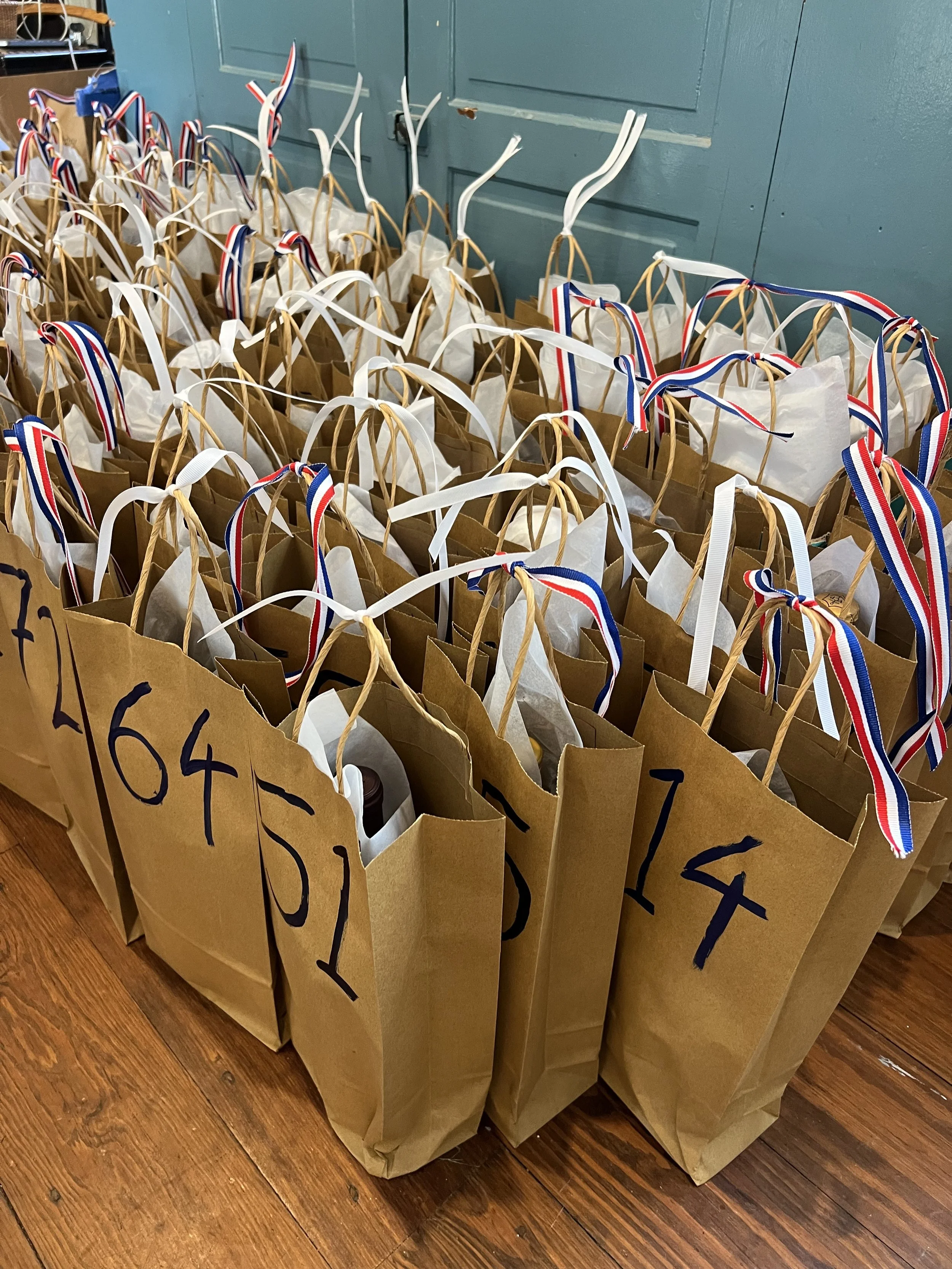
Here's the pitch, in case you've never run one: guests pay a flat price, usually $20 to $30, for a mystery bottle of wine pulled blind from a display. Some bottles are $12 grocery store wine. Some are $80 bottles a board member donated from their cellar. Nobody knows which is which until they open it. That's it. That's the whole mechanic.
Now here's why it works, and it has nothing to do with wine.
People will pay a flat fee for a guaranteed outcome with a chance at a bonus. A silent auction asks guests to think, compare, strategize, and risk losing. A raffle asks them to buy hope. A wine pull asks for almost nothing: you pay $25, you walk away with a bottle of wine, full stop. There is no way to "lose." The gamble is just how good the bottle turns out to be. That low-friction, no-downside structure is why a wine pull table can move fifty transactions in the time it takes your live auction to sell three items.
It's also cheap to build and mostly donated. You don't need a professional sommelier or a fancy display. You need a folding table, some fabric, and an email to your board and donor list asking people to drop off a bottle they already have. Every nonprofit event has three board members who will happily hand over a $60 bottle from their basement because it makes them feel useful without writing another check. Let them. That's the whole sourcing strategy.
Do the math, because the math is the point. Say you run 100 bottles at $25 a pull. That's $2,500 gross. If 80% of those bottles were donated and the other 20% cost you an average of $12 wholesale, you're looking at maybe $240 in hard costs. That's over $2,200 in profit from a table that took one volunteer an afternoon to set up. Compare that to your live auction, which probably has a caterer's cut, an auctioneer's fee, and a printed catalog eating into the number before you've sold a single paddle.
At the Cannonball gala in Stonington, the wine pull wasn't a headline item. Nobody put it on the save-the-date. But it's the kind of unglamorous, high-conversion activity that helped the event pull in over 26% more revenue from the year before. Galas don't grow because of one big swing. They grow because you stack five or six of these boring, reliable mechanics on top of each other and let them all do their job at the same time.
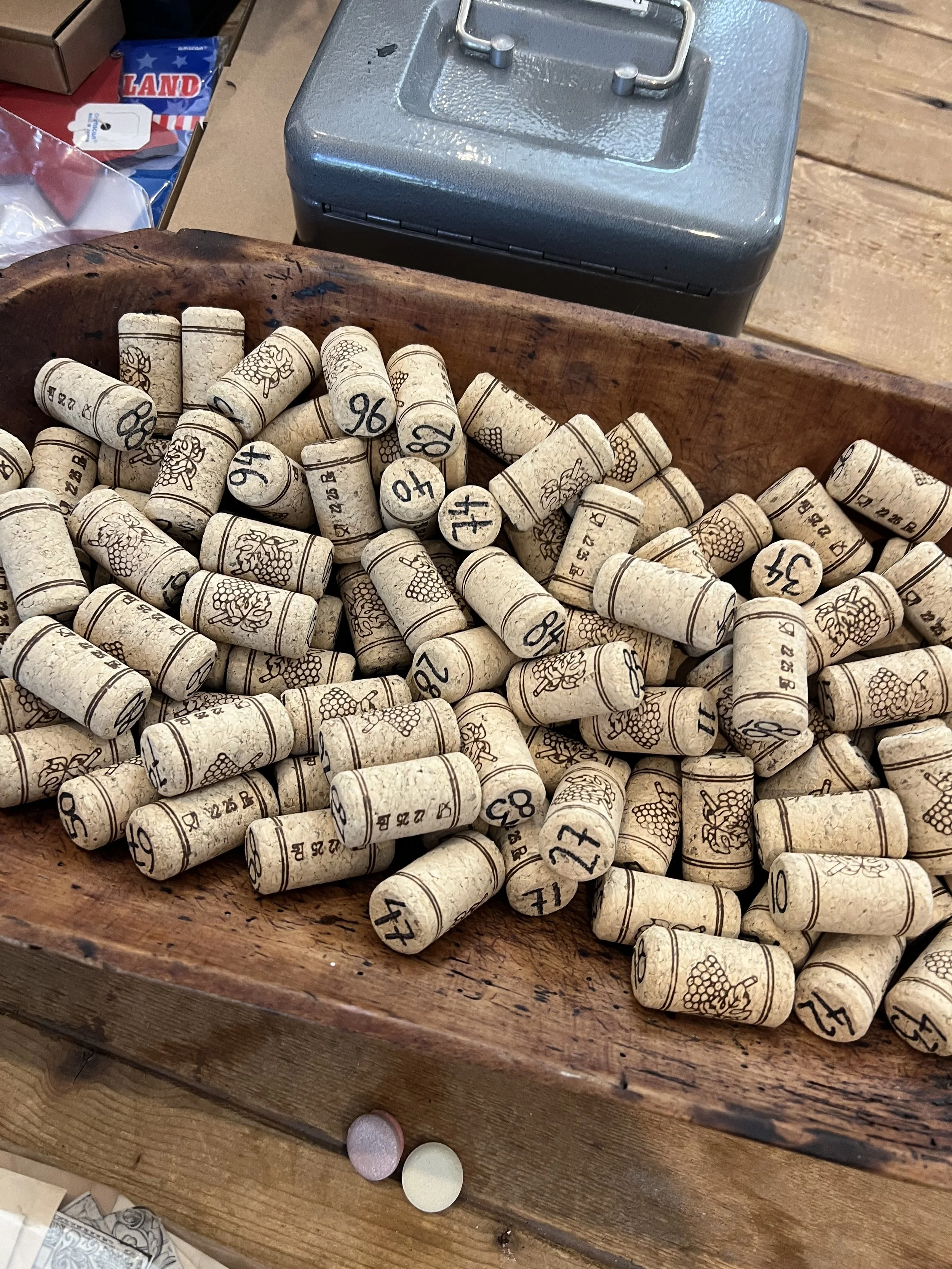
A few things that actually matter when you run one:
Price it so the math works for both sides. $25 is the sweet spot for most small nonprofit galas: high enough to matter, low enough that nobody has to think twice.
Don't undersell the bad bottles. Wrap everything identically. Half the fun is the risk, and if guests can tell which bottles are the cheap ones by looking at the label peeking out, you've killed the mechanic.
Staff it with someone chatty. This table does double duty as a mingling spot. Put your most social volunteer there, not the quiet one doing a favor for their neighbor.
Run it early and let it run all night. Unlike a live auction, a wine pull doesn't need a program moment. It just needs to exist in a high-traffic spot from the second doors open. It requires a table, some donated bottles, and the willingness to admit that a gala is a party where you're asking for money, and people will happily hand you $25 for the fun of not knowing what they're getting.
If you want the exact bottle-sourcing email template, the pricing worksheet, and the volunteer instructions that take a wine pull from an afterthought to a real revenue line, it's all in the Gala Toolkit.